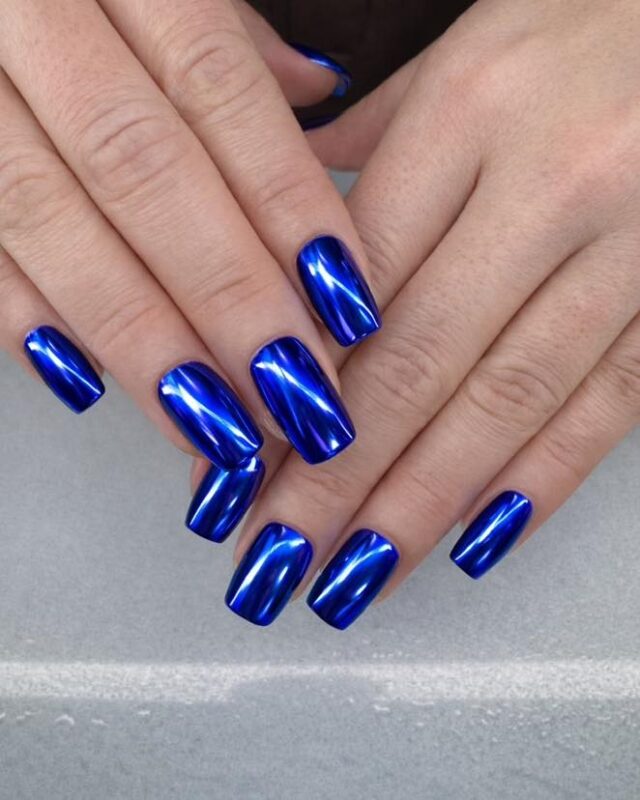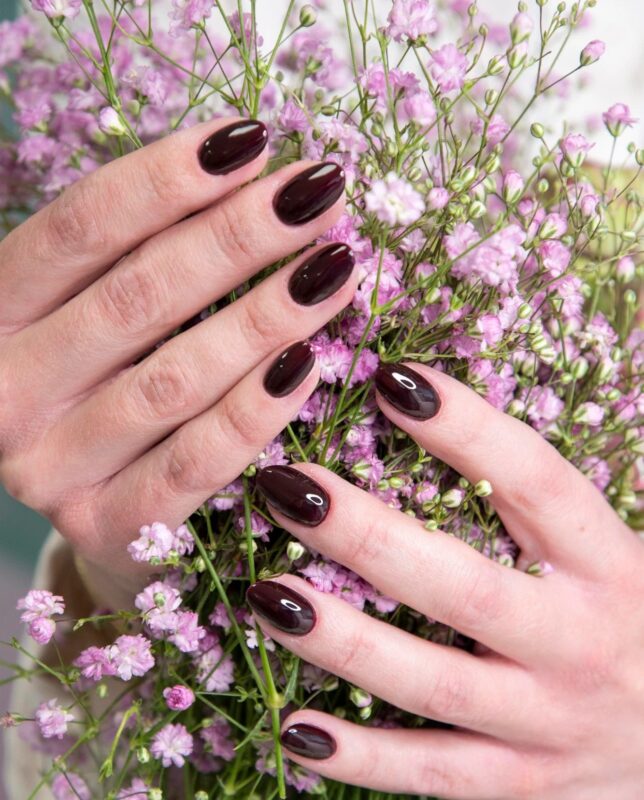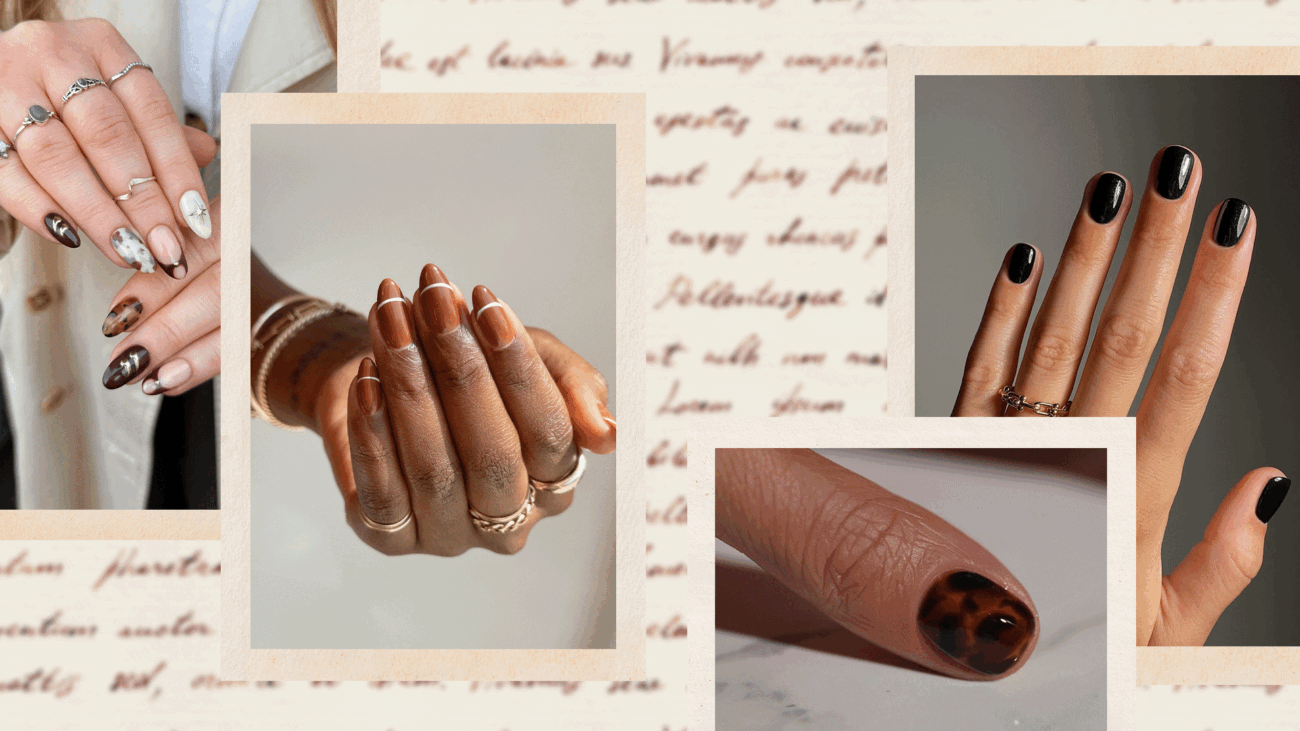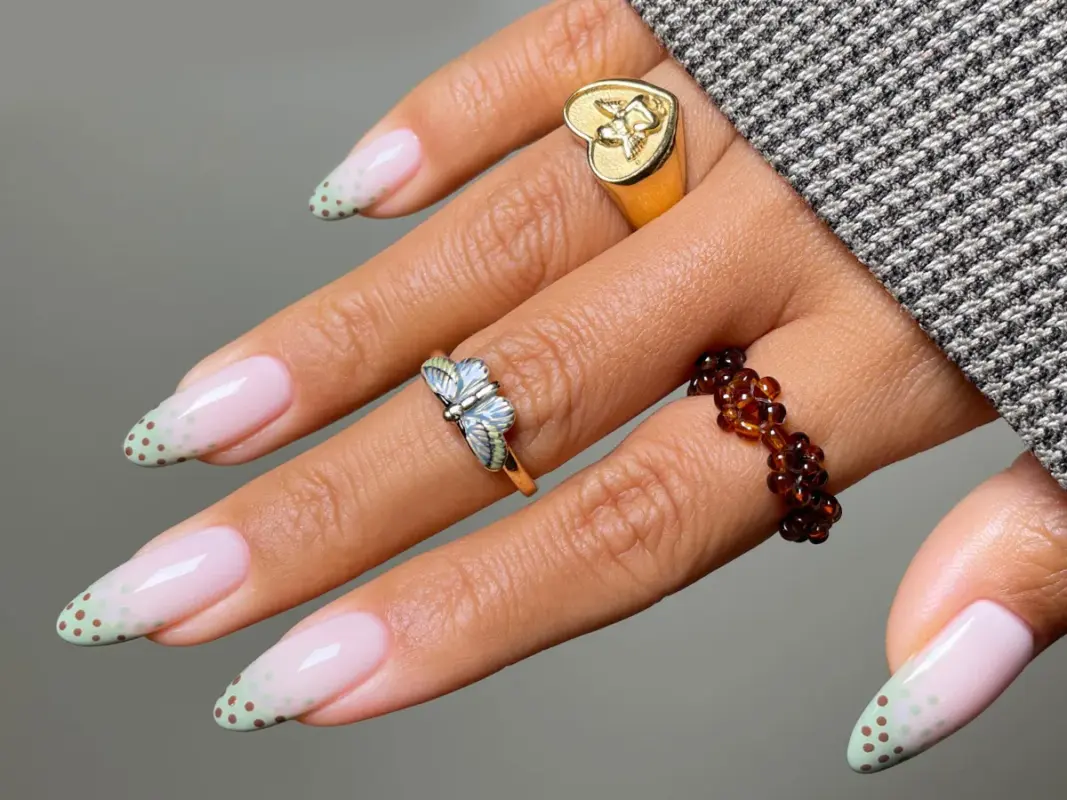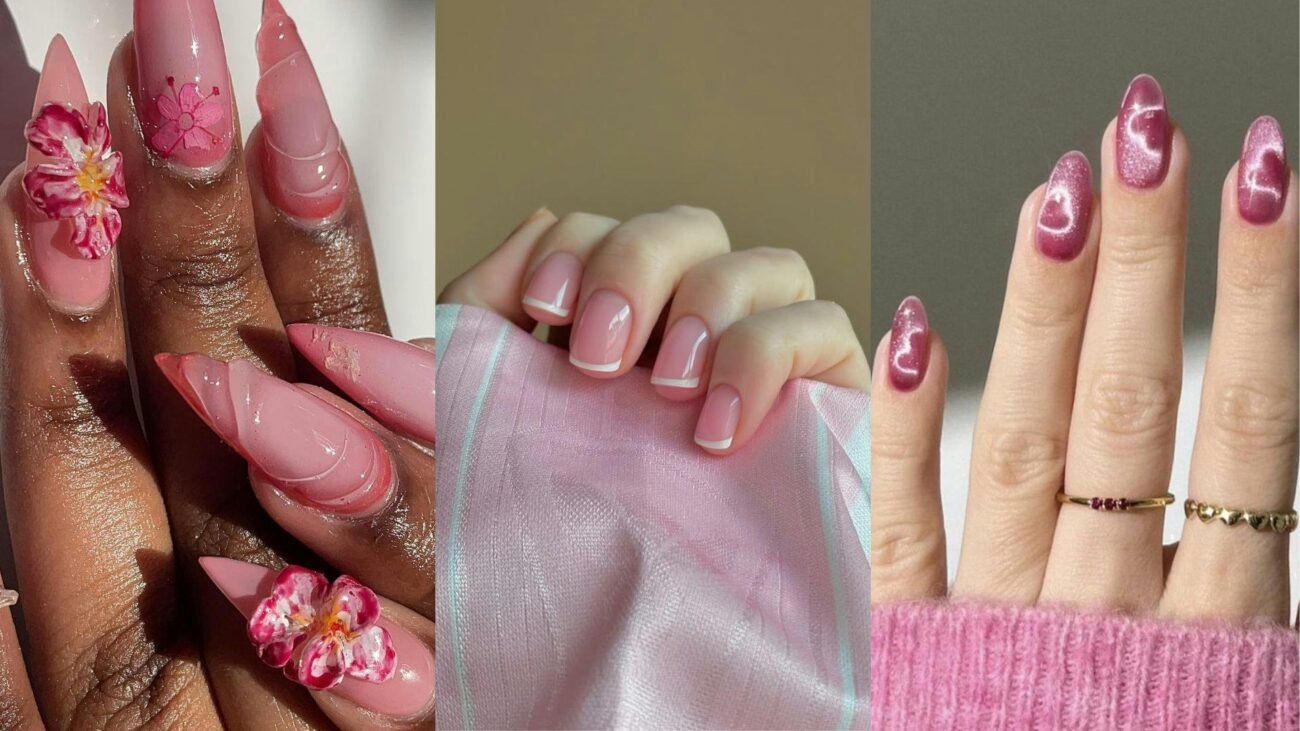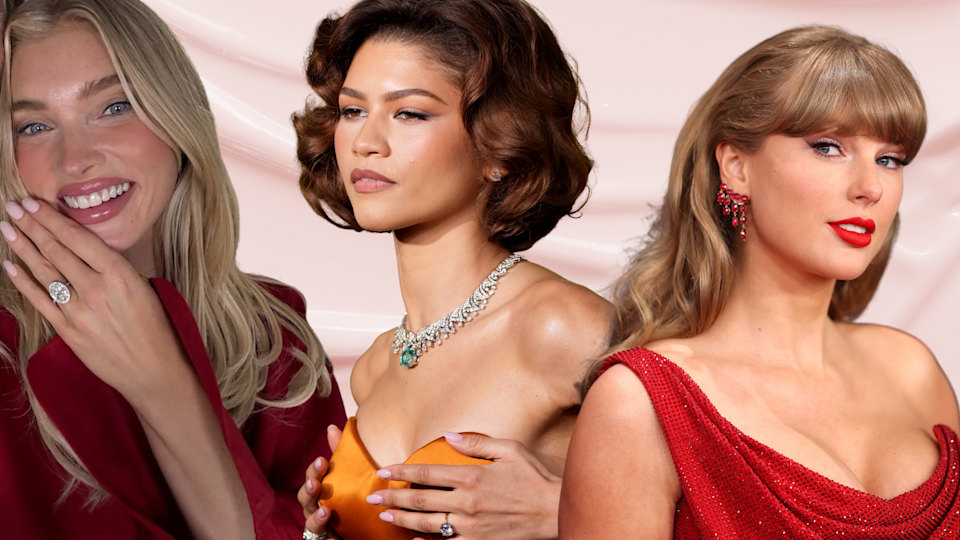
How many people’s first lipstick was bright red? That vibrant, confident, and even slightly flamboyant color was once a powerful tool for self-expression. However, if you’ve recently browsed cosmetic counters or scrolled through social media, you might have noticed that the bright red lipstick that once dominated the scene has given way to low-saturation shades like dusty rose and milk tea. It’s not just lipstick; nail art has also shifted from intricate designs and exaggerated styles to nude colors and simple lines. From lips to fingertips, why are the colors becoming lighter?
Looking around, beauty bloggers’ tutorials have shifted from bold “color play” to clear, natural-looking makeup, focusing on achieving a look that appears effortlessly beautiful. This “light” trend has also extended beyond the beauty industry, forming a “minimalist aesthetic” that is sweeping through life. In fashion, the fluorescent green and yellow that were popular a few years ago have faded, replaced by low-saturation pastel shades, light spring colors, and amber hues. Well-tailored, high-quality basic pieces are making a comeback, and the trend is shifting towards simplicity and comfort. Makeup, fashion, interior design, cars… the “minimalist aesthetic” is quietly emerging in various fields, forming an undeniable aesthetic trend.
This aesthetic shift from bold to subtle, from outward expression to inward reflection, inevitably reminds us of the aesthetics of the Song Dynasty a thousand years ago. The Song Dynasty valued “subtlety,” pursuing “meaning beyond the form” and “essence beyond the taste.” For example, Song porcelain did not favor colorful painting, but instead excelled with its simple glaze colors; that elegant “sky-blue after the rain” remains an aesthetic ideal to this day. Painting emphasized “negative space,” calligraphy advocated “meaning beyond the brushstrokes,” and literati and scholars did not favor dazzling splendor, but rather pursued an aesthetic taste of “refinement in simplicity.” This pursuit of understated beauty resonates deeply with the aesthetic psychology of modern people who choose low-saturation colors.
Behind this aesthetic shift is a reflection of societal attitudes. In today’s information-overloaded and fast-paced world, people are beginning to abandon external superficiality and noise, turning instead to inner exploration. We are increasingly focusing on our “personal comfort zone,” valuing the feel of clothing against our skin, the lightness of makeup on our faces, and the harmony between color and temperament. We are no longer eager to loudly declare ourselves to the world with vibrant colors, but rather prefer a subtle, restrained, and enduring way to express personal taste and inner composure. Some netizens jokingly call this a “spiritual energy-saving mode,” conveying a feeling of “being present but not wanting to be overly noticed.”
Besides the shift in aesthetic psychology, some very practical factors also drive us to choose “lighter” colors. For many office workers, time is a crucial consideration. A full makeup look that complements bright red lipstick might take twenty to thirty minutes; while a low-saturation lipstick, even with light foundation or no makeup at all, can naturally enhance complexion and allow for quick departures. It’s more everyday, more versatile, reduces the difficulty of matching, and adapts to the needs of multiple scenarios—from commuting to meetings, from coffee shops to gyms, it never looks out of place.
In this sense, Su Shi’s phrase “light makeup and heavy makeup are equally suitable” has been given a new contemporary meaning—we pursue a kind of appropriateness that is just right for any occasion. Just as Song Dynasty literati pursued a “jade-like but not quite jade” texture, modern people choose nude shades to pursue a natural beauty that is “makeup-like but not quite makeup,” allowing beauty to seamlessly integrate into life.
Of course, fashion trends are always in flux, and “fashion is a cycle.” Our current preference for “lightness” is the result of a combination of factors, perhaps reflecting many people’s deep-seated desire for inner peace and a return to simplicity. However, some consumers feel that while currently popular lipstick shades are versatile, they inevitably tend to be similar, and they occasionally miss the more distinctive, vibrant colors of the past. This reminds us that aesthetics should be diverse; whether it’s the vibrancy of heavy makeup or the elegance of light makeup, the ultimate goal should always be “what suits oneself”—after all, the most captivating color is always the one that makes you feel comfortable and at ease.